“The blindness of bigotry, the madness of ambition, and the miscalculations of diplomacy seek their victims principally amongst the innocent and the unoffending. The cottage is sure to suffer for every error of the court, the cabinet, or the camp. When error sits in the seat of power and of authority, and is generated in high places, it may be compared to that torrent which originates indeed in the mountain, but commits its devastation in the vale.”
Quote by Charles Caleb Colton
Work
Lacon: Or, Many Things in Few Words, Addressed to Those who Think
This work delves into the principles of succinct communication, providing readers with guidance on how to convey complex concepts in a clear and concise manner. It is a treatise on the value of brevity and the importance of choosing words wisely. more
Author
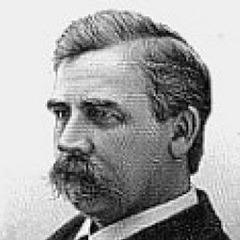
Charles Caleb Colton
Charles Caleb Colton was an English writer active from 1780 to 1832. Known for his humor and wit, he is particularly recognized for his aphorisms and satirical works. more
You May Also Like
Source: Lacon: or, Many things in few words
Source: Lacon: Or Many Things in Few Words, Addressed to Those who Think
Source: Lacon: Or, Many Things in Few Words, Addressed to Those who Think
“It is a great piece of skill to know how to guide your luck even while waiting for it.”
Source: The Art of Worldly Wisdom
Source: Remarks on the Talents of Lord Byron and the Tendencies of Don Juan
Source: Lacon, Or, Many Things in a Few Words: Addressed to Those who Think
Source: Lacon, Or, Many Things in a Few Words: Addressed to Those who Think
Source: Lacon: Or, Many Things in Few Words, Addressed to Those who Think