“This tendency to make laws that are convenient or advantageous rather than right has mushroomed.”
Quote by John Howard Griffin
Work
Black Like Me: The Definitive Griffin Estate Edition
This edition presents John Howard Griffin's groundbreaking 1961 account of racial discrimination in the United States, expanded with materials from the author's estate. The book records Griffin's six-week journey through Louisiana, Mississippi, Alabama, and Georgia after medically darkening his skin to pass as African American. The narrative exposes the daily indignities, violence, and systemic barriers faced by Black citizens under Jim Crow laws. The estate edition incorporates previously unpublished journal entries, correspondence, and photographs that illuminate the book's creation and its author's subsequent advocacy work. Griffin, a Texas-born writer and photographer, undertook the project after recognizing his inability to understand Black experiences through observation alone. The resulting work became a significant document in civil rights literature, though it also generated debate about racial impersonation and white authorship of Black narratives. The estate materials provide additional context regarding Griffin's methods, the ethical discussions surrounding the project, and the book's lasting influence on discussions of race and identity in America. more
Author
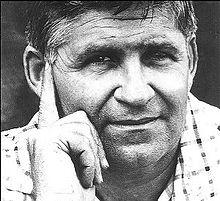
John Howard Griffin
John Howard Griffin was an influential American journalist and writer, best known for his 1961 work 'Black Like Me', which documented his experience of passing as a black man to expose the harsh realities of racial segregation. His work had a profound impact on racial equality and social justice. more
You May Also Like
“Forget the years, forget distinctions. Leap into the boundless and make it your home!”
Source: The Complete Works of Chuang Tzu