Quotessence
Home / Quotes / Quote by P. J. O'Rourke

Quote by P. J. O'Rourke

“If you spend seventy-two hours in a place you've never been, talking to people whose language you don't speak about social, political, and economic complexities you don't understand, and you come back as the world's biggest know-it-all, you're a reporter.”

Quote by P. J. O'Rourke

Work

Thrown Under the Omnibus: A Reader

This book is a compilation of essays that delve into the essence of reading and the profound impact literature has on individuals and society. The essays explore various aspects of the reading experience, including the pleasure of reading, the transformative power of books, and the role of literature in shaping cultural identity and understanding. more

Author
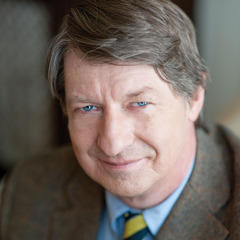
P. J. O'Rourke
P. J. O'Rourke

P. J. O'Rourke, born on November 14, 1947, is a renowned satirical writer known for his humorous and satirical commentary on political and social issues. His distinctive writing style, characterized by wit and sharpness, has won him a wide readership. more

You May Also Like

“What smells strongly of crap to one generation - Victorian penny dreadfuls, the music of the Archies, the Lone Ranger radio show, blaxploitation films of the seventies - so often becomes a fruitful source of inspiration, veneration, and study for those to come, while certified Great and Worthy Art molders and fades on its storage rack, giving off an increasingly powerful whiff of naphthalene.”

“I have confused ideas of deity, heavily influenced by mind-altering years of reading science fiction, that do not often trouble me, but one thing I know for certain, and have known since the age of five or six, is that I really can't stand the God of Abraham. In fact, I consider him to constitute the pattern to which every true asshole I have ever known in my life has pretty well conformed.”

“For the past several centuries the bonding power of the family dinner table has been one of the few constants, and now it's binding no more. The potency of the media is now stronger than that of the family. The wonder is that families still exist at all, since the forces of modern life mainly all pull people away from a family centered way of life.”

“Working- and Middle-class families sat down at the dinner table every night - the shared meal was the touchstone of good manners. Indeed, that dinner table was the one time when we were all together, every day: parents, grandparents, children, siblings. Rudeness between siblings, or a failure to observe the etiquette of passing dishes to one another, accompanied by "please" and "thank you," was the training ground of behavior, the place where manners began.”