“At a stage when young people want more than anything to be like everyone else, they find themselves the least alike. Everyone their age is growing and changing, but each at his or her own pace.”
Quote by Laurence Steinberg
Work
You and Your Adolescent, New and Revised edition: The Essential Guide for Ages 10-25
This book provides a detailed exploration of the psychological, social, and emotional changes that adolescents experience between the ages of 10 and 25. It includes practical advice for parents and caregivers on how to navigate the challenges of adolescence, foster healthy development, and build strong relationships with young adults. more
Author
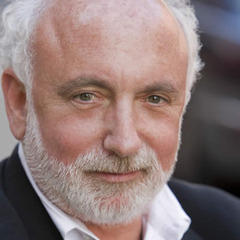
Laurence Steinberg
Laurence Steinberg is a renowned psychologist and author. His research focuses on adolescent development and psychology, particularly on the brain development and decision-making processes of adolescents. His works have widely influenced the public's understanding of adolescent psychology. more
You May Also Like
Source: You and Your Adolescent, New and Revised edition: The Essential Guide for Ages 10-25
Source: You and Your Adolescent, New and Revised edition: The Essential Guide for Ages 10-25
“Elton John's home is laden with trinkets and books relating to Satanism and witchcraft.”
Source: The Six Stages of Parenthood
Source: The Six Stages of Parenthood