Quotessence
Home / Quotes / Quote by Maggie O'Farrell

Quote by Maggie O'Farrell

“In the first night of the Arvon Foundation course, Elspeth Barker said something about the newspaper along the lines of - and I'm paraphrasing - "I do these pieces for them and it's amazing, because I don't type it out, I just fax it as it is, and the literary editor has a machine that can transform my handwriting into typed text." At which point I put my hand up and said, "Actually, I'm that machine."”

Quote by Maggie O'Farrell

Author
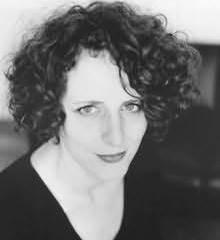
Maggie O'Farrell
Maggie O'Farrell

Maggie O'Farrell is an Irish author born in 1972. Her works are known for their deep character development and emotionally rich storytelling. O'Farrell's writing often focuses on family relationships and women's experiences, frequently exploring themes of love, marriage, and identity. more

You May Also Like

“I've been around a long time and I've found that these forms, whether it's the cartoon, or whether it's a play, or all these dying forms refuse to die. Something happens to rejuvenate them and it will certainly happen to the political cartoon. It will come back. But whether it's on the internet, or whether it's in some other form, however that works, whether it looks the way it looks now, or entirely different, I have no idea. And thank God I don't have to worry about it.”

“For a while I used to listen to those whispers about babies costing you books, and Cyril Connolly's loathsome quote that "There is no more somber enemy of good art than the pram in the hall." But it's rubbish. Absolute rubbish. A huge amount of your work is done when you're not at your desk. Knotty problems that you need your unconscious to solve. So it can be helpful to walk away and focus on other things and it can be helpful to be a bit harassed in your daily life, to be hungry for time to write.”

“My husband, William Sutcliffe, the writer, is my first reader and in many ways my most important. That initial reading of the manuscript is crucial and irreplaceable and you want them to approach it as someone in a bookshop might, not knowing much about it. So I've got into this pattern of not telling Will anything about the book I'm working on. He often knows nothing about the book I'm working on at all until I give him the whole manuscript and ask him to read it. The book I'm working on at the moment he knows nothing about. No one does.”