“People try so hard to believe in leaders now, pitifully hard. But we no sooner get a popular reformer or politician or soldier or writer or philosopher -- a Roosevelt, a Tolstoi, a Wood, a Shaw, a Nietzsche, than the cross-currents of criticism wash him away. My Lord, no man can stand prominence these days. It's the surest path to obscurity. People get sick of hearing the same name over and over.”
Quote by F. Scott Fitzgerald
Work
The Complete Works of F. Scott Fitzgerald: Novels, Short Stories, Poetry, Articles, Letters, Plays & Screenplays: From the author of The Great Gatsby, The Side of Paradise, Tender Is the Night, The Beautiful and Damned, The Love of the Last Tycoon, The Curious Case of Benjamin Button and many other notable works
The Complete Works of F. Scott Fitzgerald is a definitive compilation of the author's extensive literary career. It includes a wide array of his writings, from the classic novels that have cemented his legacy to lesser-known short stories, poetry, and other forms of creative expression. This collection provides a comprehensive view of Fitzgerald's talent, highlighting his exploration of themes such as the American Dream, the Jazz Age, and the complexities of human relationships. The inclusion of his personal correspondence, articles, and plays offers insight into his professional and personal life, making this a valuable resource for students and fans of Fitzgerald's work. more
Author
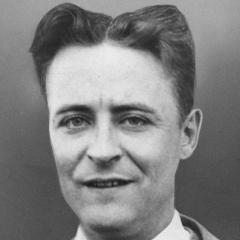
F. Scott Fitzgerald
F. Scott Fitzgerald was an American author of novels and short stories, renowned for his works that encapsulate the Jazz Age and the Roaring Twenties. His most celebrated novel, 'The Great Gatsby,' is a critical and commercial success, reflecting the themes of the American Dream and the decline of the American upper class. more
You May Also Like
Source: The Curious Case of Benjamin Button and Other Jazz Age Stories
“Let me tell you about the very rich. They are different from you and me.”
“The laughter of girls is, and ever was, among the delightful sounds of earth.”
Source: De Quincey's works
Source: Delphi Complete Works of Thomas De Quincey (Illustrated)
“We are not making a capital investment into GM as the first element or condition.”
“Dyspepsy is the ruin of most things: empires, expeditions, and everything else.”
“Everlasting farewells! and again, and yet again reverberated everlasting farewells!”