“We make such a fetish of the family. I think we've created a tremendous mythology about it. We believe the family must be maintained, it's the basis of society, etc. Yet for a great many of us, the family has been difficult. Many of the troubles of mankind are family troubles, more devastating and more lasting than other kinds of troubles. Almost any well-run orphanage would be better than some families I've known. There are countless unjust and narrow-minded families, and parents who bring up children in hatred for reasons that are invalid. Just being a family is not enough. There has to be agreement: not a narrowing but a widening, not bitterness and misunderstanding but sensibility and justice.”
Quote by Marjory Stoneman Douglas
Work
Marjory Stoneman Douglas: Voice of the River
This book delves into the life and work of Marjory Stoneman Douglas, highlighting her influential role in the conservation movement and her passionate defense of the Florida Everglades. It explores her contributions to environmental activism and her impact on the preservation of natural ecosystems. more
Author
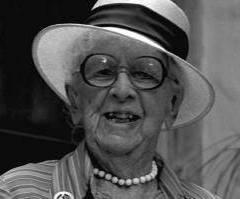
Marjory Stoneman Douglas
Marjory Stoneman Douglas was an American journalist and author renowned for her advocacy in the conservation of the Florida Everglades. Born on April 7, 1890, and passing away on May 14, 1998, she was a pioneer in the environmental movement and her efforts significantly contributed to the protection of wetlands and wildlife. more
You May Also Like
“Mica è scontato, che vieni al mondo e hai una famiglia.”
Source: Acqua di sole: La saga dei Fiorenza e dei Gentile
Source: Acqua di sole: La saga dei Fiorenza e dei Gentile
Source: Lavoura arcaica
Source: Zizi Cabane
“None of us belongs only to ourselves.”
Source: Every Bone a Prayer
“Your world is only as small as you make it.”
Source: We're Going to Need More Wine
Source: Southern Storms
“It felt like a family- the one I'd never quite had, had never dared really hope for.”
Source: A Court of Mist and Fury
“Family dysfunction in conjunction with access to guns is concerning!”