“Once upon a time in the dead of winter in the Dakota Territory, Theodore Roosevelt took off in a makeshift boat down the Little Missouri River in pursuit of a couple of thieves who had stolen his prized rowboat. After several days on the river, he caught up and got the draw on them with his trusty Winchester, at which point they surrendered. Then Roosevelt set off in a borrowed wagon to haul the thieves cross-country to justice. They headed across the snow-covered wastes of the Badlands to the railhead at Dickinson, and Roosevelt walked the whole way, the entire 40 miles. It was an astonishing feat, what might be called a defining moment in Roosevelt’s eventful life. But what makes it especially memorable is that during that time, he managed to read all of Anna Karenina. I often think of that when I hear people say they haven’t time to read.”
Quote by David McCullough
Author
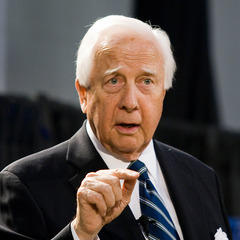
David McCullough
David McCullough is an American historian and author renowned for his in-depth research and vivid storytelling. His works typically focus on significant individuals and events in American history, enjoying great popularity among readers. more
You May Also Like
“Their lies are coming from their fear, not facts.”
Source: Life Simplified: Quote - Unquote
Source: Days of Reading
Source: Letters of John Adams, Addressed to His Wife
“The more I explain myself to you, the more I feel like you will never understand me.”
Source: Life Simplified: Quote - Unquote
Source: madame bovary
Source: Stars Above