Quotessence
Home / Quotes / Quote by Randy Pausch

Quote by Randy Pausch

Work

The last lecture

In this thought-provoking book, the author shares the profound insights and life lessons imparted by a university professor who is diagnosed with a terminal illness. The professor delivers a lecture that encapsulates his life's work, wisdom, and advice, leaving a lasting impact on his audience and readers alike. more
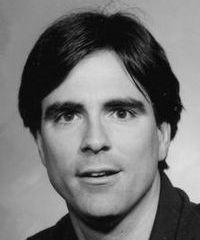
Author

Randy Pausch
Randy Pausch

Randy Pausch was a renowned computer science professor known for his contributions to virtual reality and computer graphics. He gained widespread attention for his battle with pancreatic cancer and inspired countless people through his 'Last Lecture' series in his final years. Professor Pausch was respected for his passion for education and his positive attitude towards life. more

You May Also Like

“Human beings are naturally flawed when it comes to time and memory. The past is forgotten, or it is believed bad things will not recur, and people become bound in their current problems. That which afflicted the grandfathers of their grandfathers is a distant, dim thing, and not as important as present concerns, no matter how trivial.”

“I know about her, although she has never crossed my path," he said softly. "I know about her struggles and her defeats. It is because of her defeats that she is to me the lovely one. Out of her defeats she has been born a new quality in woman. I have a name for it. I call it Tandy. I made up the name when I was a true dreamer and before my body became vile. It is the quality of being strong to be loved. It is something men need from women and that they do not get.”

“What I can say is that it was clear to many of us that an indigenous African literary renaissance was overdue. A major objective was to challenge stereotypes, myths, and the image of ourselves and our continent, and to recast them through stories- prose, poetry, essays, and books for our children. That was my overall goal.”

“Writing has always been a serious business for me. I felt it was a moral obligation. A major concern of the time was the absence of the African voice. Being part of that dialogue meant not only sitting at the table but effectively telling the African story from an African perspective - in full earshot of the world.”