“A life totally committed to God has nothing to fear, nothing to lose, nothing to regret.”
Quote by Pandita Ramabai
Author
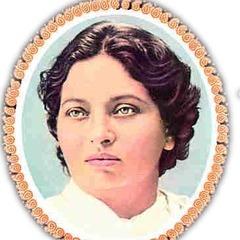
Pandita Ramabai
Pandita Ramabai was an Indian social reformer and writer, born on April 23, 1858, and died on April 5, 1922. She is recognized for her contributions to the women's rights movement and her efforts to ameliorate the conditions of widows in India. 【Identity and Position】Ramabai was an Indian social reformer and writer committed to the cause of women's rights and the welfare of widows. She was a pioneer in the struggle against the oppressive social practices affecting women in India, notably the practice of sati, where widows were expected to self-immolate on their husband's funeral pyre. 【Biography】Born into a Brahmin family, Ramabai's early life was shaped by the strict social norms of her era. After her husband's death, she became a widow and encountered the harsh realities of the widow's life in India. Determined to improve the conditions of widows, she worked tirelessly to educate them and provide them with support. 【Achievements and Contributions】Ramabai's most notable achievement was the establishment of the first home for widows in India, the Jeevan Prasarak Mandir. She also wrote extensively on the subject of women's rights and the plight of widows, using her personal experiences to advocate for change. Her writings were influential in the women's rights movement and helped raise awareness about the issues facing women in India. 【Impact and Evaluation】Pandita Ramabai is celebrated as a trailblazer in the fight for women's rights in India. Her work laid the groundwork for future generations of activists and has had a lasting impact on the social and cultural fabric of India. more
You May Also Like
Source: The praktikos: Chapters on prayer
“Anyone can do anything because everything is the result of someone.”