“Because half a dozen grasshoppers under a fern make the field ring with their importunate chink, whilst thousands of great cattle, reposed beneath the shadow of the British oak, chew the cud and are silent, pray, to not imagine that those who make the noise are the only inhabitants of the field; that, of course, they are many in number; or that, after all, they are other than the little, shriveled, meagre, hopping, though loud and troublesome insects of the hour.”
Quote by Edmund Burke
Work
Edmund Burke: Selected Writings and Speeches
The book features a curated selection of Burke's writings, encompassing political theory, social commentary, and philosophical insights, showcasing his influential role in the development of modern political thought. more
Author
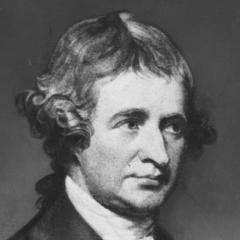
Edmund Burke
Edmund Burke, a British statesman and writer, was born on January 12, 1729, and died on July 9, 1797. He was one of the most prominent political thinkers of the 18th century, known for his profound insights into liberty, democracy, and conservatism. more
You May Also Like
Source: The Image
Source: Elia: essays which have appeared under that signature in the London magazine
“The bureaucracy takes itself to be the ultimate purpose of the state”
Source: Karl Marx, Frederick Engels: Marx and Engels: 1843-44
Source: Once Around the Sun
Source: The English Constitution ... Reprinted from the