Quotessence
Home / Quotes / Quote by Patricia Stephens Due

Quote by Patricia Stephens Due

Author

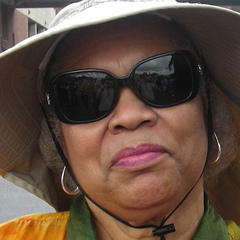
Patricia Stephens Due

Patricia Stephens Due was an influential figure in the field of 【Identity Positioning】. Born on December 9, 1939, and passed away on February 7, 2012, she made significant contributions during her career. Her impact and evaluation are highly regarded both in the industry and among the public. more

You May Also Like

“Priscilla and I, and nine others, had been charged with 'disturbing the peace,' among other charges, because we tried to order food at Woolworth. If not for segregation, and the fact that we were all Negroes, we would have been served without incident. At our trial on March 17, 1960, Judge John Rudd ruled that our lawyers should 'get off that race question.'”

“Here, then, is a simple rule of thumb for all of us to apply: If the words of Jesus challenge something I believe or challenge the way I live, the problem is not with Jesus. The problem is with me. Charles Spurgeon expressed this in broader, scriptural terms when he said, “If there is any verse that you would like left out of the Bible, that is the verse that ought to stick to you, like a blister, until you really attend to its teaching.”31”

“I refuse to believe today will be just another day in my life. All that I am. All that I will become will be written through my thoughts and my actions. I've conditioned my mind. Trained my body. Sacrificed my soul. There will be obstacles. Doubters. Mistakes. But nothing comes to those who wait. Every champion was once a contender that refused to give up.”

“There is nothing in either savage or civilized history that is more utterly complete, more remorselessly sweeping than the Father of Mercy´s campaign among the Midianites. The official report deals only in masses, all the virgins, all the men, all the babies. all ´creatures that breathe,´ all houses. all cities. It gives you just one vast picture ...as far as the eye can reach, of charred ruins and storm-swept desolation... Would you expect this same conscienceless God, this moral bankrupt, to become a teacher of morals, of gentleness, of meekness, of righteousness, of purity?”