“Every person needs to feel significant. We want our lives to count. We yearn to believe that in some way we are important and that hunger for significance-a drive as intense as our need for oxygen-doesn't come from pride or ego. It comes from God because he wants each of us to understand how important we are. ... We must seek our roots, our origin, and our destiny so that we can know our present value. ..... ...We can help each other realize that we are persons of significance being made in the image of God.”
Quote by R. C. Sproul
Author
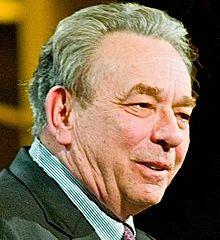
R. C. Sproul
R.C. Sproul is a renowned Christian theologian, author, and lecturer. Born on February 13, 1939, he is known for his extensive research and widespread dissemination of Christian doctrine and theology. Sproul's works cover a range of topics from basic theology to more advanced theological subjects, and his writings have had a profound impact on many Christians. more
You May Also Like
“The flesh is a worse enemy than the devil himself.”
Source: War with Devils: Ministration Of, and Communion with Angels
“Physiologically less violent and psychologically more suitable to a concrete type of mind.”
Source: The religious thought in Islam
Source: John Calvin's Commentaries On Genesis 1-23 (Annotated Edition)
“Unbelief was the first sin, and pride was the first-born of it.”
Source: The Works of the Late Rev. Stephen Charnock ... With a Prefatory Dedication and Memoir
Source: Ecumenical Jihad: Ecumenism and the Culture War