Quotessence
Home / Quotes / Quote by Warren G. Bennis

Quote by Warren G. Bennis

“The American Heritage Dictionary defines crucible as "a place, time, or situation characterized by the confluence of powerful intellectual, social, economic, or political forces; a severe test of patience or belief; a vessel for melting material at high temperatures." A crucible was the vessel in which medieval alchemists attempted to turn base metals into gold. That the alchemists inevitably failed in their audacious attempts doesn't denigrate the power of the crucible as a metaphor for the circumstances that cause an individual to be utterly transformed.”

Quote by Warren G. Bennis

Author
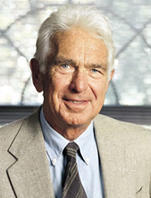
Warren G. Bennis
Warren G. Bennis

Warren G. Bennis was an esteemed American author and scholar known for his contributions to the fields of leadership and organizational behavior. His works delve into the essence of leadership and how leadership abilities can be cultivated and enhanced. more

You May Also Like

“The crucible is a dividing line, a turning point, and those who have gone through it feel they are very different from the way they were before. Believing that they have been transformed or have transformed themselves, those who survive the crucible (and many don't) are more confident, more willing to take future risks. That new self-confidence is grounded in the belief that he or she has done something hard and done it well.”

“Every one of the geezers who continues to play a leadership role has one quality of overriding importance: neotony. The dictionary definition is that neotony, a zoological term, involves "the retention of youthful qualities throughout old age." It is more than merely retaining a youthful appearance, although that is often part of it. Neotony is the retention of all those wonderful qualities that we associate with youth: curiosity, playfulness, eagerness, fearlessness, warmth, energy.”

“In the face of ambiguity, uncertainty, and conflicting demands, often under great time pressure, leaders must make decisions and take effective actions to assure the survival and success of their organizations. This is how leaders add value to their organizations. They lead them to success by exercising good judgment, by making smart calls when especially difficult and complicated decisions simply must be made, and then ensuring that they are well executed.”

“Leading with character gives the wise leader clear-cut advantages. They are easier to trust and follow; they honor commitments and promises; their words and behavior match; they are always engaged in and by the world; they are open to "reflective backtalk": they can speak with conviction because they believe in what they are saying...and everyone else knows that. They are comfortable in their own skin. They feel at ease in the spotlight and they enjoy it there. They tend to be more receptive to opportunity and risk.”