“I hate myself because I am not beautiful. I hate myself because I am fat.”
Quote by Judith Moore
Work
Fat Girl: A True Story
This memoir delves into the complex emotional landscape of body image, self-esteem, and identity. The author, Fat Girl, shares her candid and often painful experiences of growing up with a negative body image, navigating societal expectations, and ultimately finding strength and self-acceptance. more
Author
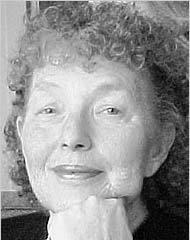
Judith Moore
Judith Moore was an American author known for her distinctive writing style and her focus on women's issues. Her works spanned various genres including novels, essays, and criticism, with her most notable titles being 'Falling from Grace' and 'The Last Resort'. Moore's writing career began in the 1970s, and her works have had a profound impact on the literary world. more
You May Also Like
“Total commitment to family and total commitment to career is possible, but fatiguing.”
“The world, art, and self explain each other: each is the aesthetic oneness of opposites.”
Source: Self and world: an explanation of aesthetic realism
Source: James and the children: a consideration of Henry James's The turn of the screw
“The resolution of conflict in self is like the making one of opposites in art.”
Source: Self and world: an explanation of aesthetic realism