“Because we remember pain and the menace of death more vividly than pleasure, and because our feelings toward the beneficent aspects of the unknown have from the first been captured and formalised by conventional religious rituals, it has fallen to the lot of the darker and more maleficent side of cosmic mystery to figure chiefly in our popular supernatural folklore.”
Quote by H. P. Lovecraft
Work
The Complete Fiction Collection vol III
This volume is part of a series that gathers together a selection of the author's most notable fictional works, offering readers a chance to explore the author's creative range and storytelling abilities across various genres and themes. more
Author
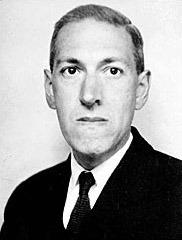
H. P. Lovecraft
H.P. Lovecraft was an American horror fiction writer known for his unique cosmic horror style and Gothic narrative. His works often explore the insignificance of humans in the face of the unknown and omnipotent forces, profoundly influencing horror literature in the second half of the 20th century. more
You May Also Like
Source: THE DREAMLANDS SERIES: 20+ Gruesome Tales of Terror in One Premium Edition: The Dream Cycle: Beyond the Wall of Sleep, At the Mountains of Madness, The Dreams in the Witch House, From Beyond, The Nameless City, Ex Oblivione, The Case of Charles Dexter Ward, Polaris, Hypnosäó_
Source: Delphi Complete Works of H. P. Lovecraft (Illustrated)
Source: Against Religion: The Atheist Writings of H.P. Lovecraft
Source: The Conservative
Source: Delphi Complete Works of H. P. Lovecraft (Illustrated)
Source: Selected Letters 1934-1937