Quotessence
Home / Quotes / Quote by Pope John Paul II

Quote by Pope John Paul II

“All of us experience the sad effects of blind submission to consumerism. In the first place it represents crass materialism. At the same time it represents a radical dissatisfaction because one quickly learns that the more one possesses, the more one wants, while deeper aspirations remain unsatisfied and perhaps even stifled.”

Quote by Pope John Paul II

Author
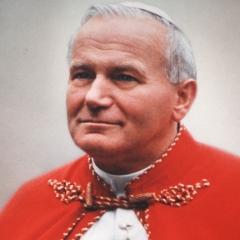
Pope John Paul II
Pope John Paul II

Pope John Paul II, born on May 18, 1920, and died on April 2, 2005, was the 266th Pope of the Roman Catholic Church and one of the longest-reigning popes in history. During his papacy from 1978 to 2005, he was dedicated to promoting world peace and unity, advancing church reform, and visiting numerous countries and regions. more

You May Also Like

“As businessmen caught a glimpse of the potentialities inherent in endlessly expanding the wants of people under consumerism, forced draft or otherwise, many began to see blue skies... What was needed was strategies that would make Americans in large numbers into voracious, wasteful, compulsive consumers-and strategies that would provide products assuring such wastefulness. Even where wastefulness was not involved, additional strategies were needed that would induce the public to consume at ever-higher levels.”

“At a certain fork in the road of automatization, Europeans chose to have more time, and they work far less than we do and get much longer vacations. We chose to have more stuff, the stuff sold to us through those beckoning adjectives-bigger, better, faster: Jet Skis, extra cars, second homes, motor homes, towering slab TVs, if not the time to enjoy them or to enjoy less commodified pleasures.”

“But the instinct of hoarding, like all other instincts, tends to become hypertrophied and perverted; and with the institution of private property comes another institution-that of plunder and brigandage. In private life, no motive of action is at present so powerful and so persistent as acquisitiveness, which unlike most other desires, knows no satiety. The average man is rich enough when he has a little more than he has got, and not till then.”