“What is a poet? An unhappy man who hides deep anguish in his heart, but whose lips are so formed that when the sigh and cry pass through them, it sounds like lovely music.... And people flock around the poet and say: 'Sing again soon' - that is, 'May new sufferings torment your soul but your lips be fashioned as before, for the cry would only frighten us, but the music, that is blissful.”
Quote by Soren Kierkegaard
Author
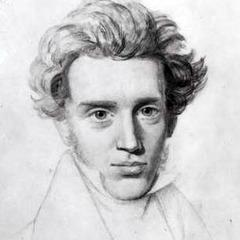
Soren Kierkegaard
Søren Kierkegaard was a 19th-century Danish philosopher known for his existentialist philosophy and profound explorations of religious, ethical, and aesthetic issues. His ideas have had a profound impact on subsequent philosophers and literature. more
You May Also Like
“You never know when a moment and a few sincere words can have an impact on a life.”
Source: The Discovery of the Orgone
“If funkytown was a trailerpark, this guy would be a double-wide.”
“You are an aperture through which the universe is looking at and exploring itself.”
Source: Still the Mind: An Introduction to Meditation
“Sometimes you lose a battle. But mischief always wins the war”
Source: The John Green Collection
“God will punish the wicked. And before He does, we will.”
Source: Looking for Alaska
Source: Looking for Alaska