“I both wished and feared to see Mr. Rochester on the day which followed this sleepless night. I wanted to hear his voice again, yet feared to meet his eye.”
Quote by Charlotte Bronte
Work
The Bronte Sisters: Three Novels: Jane Eyre; Wuthering Heights; and Agnes Grey (Penguin Classics Deluxe Edition)
This Penguin Classics Deluxe Edition brings together three seminal works by the Bronte sisters: Jane Eyre, Wuthering Heights, and Agnes Grey. These novels are celebrated for their emotional depth, complex characters, and exploration of themes such as love, social class, and individualism. more
Author
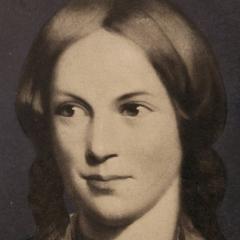
Charlotte Bronte
Charlotte Brontë was an English novelist known for her novel Jane Eyre, which is considered a classic of English literature. Her works are known for their deep psychological insights and emotional intensity. more
You May Also Like
Source: The Complete Works Of Charlotte Bronte: Jane Eyre, Shirley, Villette, and The Professor
Source: Jane Eyre
Source: The Bronte Sisters: Three Novels: Jane Eyre; Wuthering Heights; and Agnes Grey (Penguin Classics Deluxe Edition)
Source: A Thousand Splendid Suns
“People have an annoying habit of remembering things they shouldn't.”
Source: The Inheritance Cycle Complete Collection: Eragon, Eldest, Brisingr, Inheritance
“'It's been almost a month since you found a body. I knew you were due.'”