“If you only would!" He added rather diffidently: "If you would not mind remembering that I am a military court of inquiry. It makes it easier for me to report to the general if you say things dully and in the order that they happened.”
Quote by Ford Madox Ford
Work
The Bodley Head: Parade's end. Pt.2. No more parades. Pt.3. A man could stand up
The book contains two interconnected novels that delve deeply into the psychological and societal impacts of the global conflict. The first included novel, No More Parades, portrays the brutal and bureaucratic reality of trench warfare, highlighting the protagonist's struggles to maintain his moral compass and manage the chaotic military administration while his personal life unravels. The second novel, A Man Could Stand Up, explores the immense strain of the final stages of the war and the eventual armistice. Utilizing shifting perspectives and fragmented timelines, the narrative captures the profound disorientation experienced by both soldiers on the front lines and civilians on the home front. Together, these works examine the collapse of traditional Edwardian social structures and the complexities of human relationships amidst catastrophic historical change. more
Author
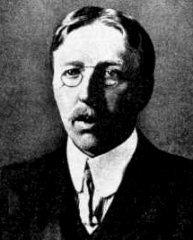
Ford Madox Ford
Ford Madox Ford was an influential British novelist known for his contributions to modernist literature. His works are characterized by complex narrative structures and profound psychological descriptions. Born on December 17, 1873, he passed away on June 26, 1939. more
You May Also Like
Source: Oliver Cromwell's Letters and Speeches: With Elucidations
Source: A people's tragedy: a history of the Russian Revolution
Source: The Letters of D. H. Lawrence
Source: The autobiography of George Grosz: a small yes and a big no
“It's very personal in its politics, very bitter and very negative.”