“In face of this modern nihilism, Christians are often lacking in courage. We tend to give the impression that we will hold on to the outward forms whatever happens, even if God really is not there. But the opposite ought to be true of us, so that people can see that we demand the truth of what is there and that we are not dealing merely with platitudes. In other words, it should be understood that we take this question of truth and personality so seriously that if God were not there we would be among the first of those who had the courage to step out of the queue.”
Quote by Francis Schaeffer
Author
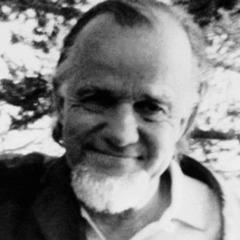
Francis Schaeffer
Francis Schaeffer (January 30, 1912 – May 15, 1984) was an American evangelical theologian, apologist, and writer, best known for founding L'Abri, a Christian community in Switzerland. Born in Pennsylvania, he initially embraced fundamentalism but later engaged with broader cultural issues. Schaeffer emphasized the integration of Christian worldview with philosophy, art, and society, critiquing modern secularism. His works, such as 'Escape from Reason' and 'The God Who Is There,' address spiritual crises of modern individuals. Through L'Abri, he influenced countless intellectuals and seekers. Schaeffer's legacy endures in evangelical cultural criticism and apologetics. more
You May Also Like
“She was a large, disordered woman, like a child's drawing that didn't stay within the lines.”
Source: The Marriage Plot: A Novel
Source: Nineteen Minutes
“You're judging her by her literacy," Tara says. "You're a literacist." "You've made that up.”
Source: Saving Francesca
Source: Radical Acceptance: Awakening the Love that Heals Fear and Shame
Source: Daughter of Smoke and Bone: Daughter of Smoke and Bone Trilogy