“Jane Austen wrote six of the most beloved novels in the English language, we are informed at the end of Becoming Jane, and so she did. The key word is beloved. Her admirers do not analyze her books so much as they just plain love them to pieces.”
Quote by Roger Ebert
Work
Roger Ebert's Movie Yearbook 2009
This annual publication offers a detailed look at the cinematic landscape of the year 2009, including reviews of notable films, interviews with filmmakers, and Ebert's personal reflections on the year in cinema. more
Author
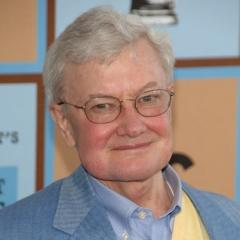
Roger Ebert
Roger Ebert was a renowned American film critic, born on June 18, 1942, and passed away on April 4, 2013. Known for his unique style of film criticism and profound insights into the art of cinema, he served as a film critic for the Chicago Sun-Times and founded the influential film review website RogerEbert.com. more
You May Also Like
“Big-endians and small-endians.”
Source: The Works of Jonathan Swift: Gulliver's travels. Directions to servants
Source: Our town: a play in three acts
“Old Marley was dead as a doornail... The wisdom of our ancestors is in the simile.”
Source: The Best of Sherlock Holmes
Source: The Complete Sherlock Holmes
“The setting is a worthy one, if the devil did desire to have a hand in the affairs of men.”
Source: Hound of the Baskervilles
“He foresaw that she would be very much more useful to him in the character of a free woman.”
Source: Sherlock Holmes: The Novels: (Penguin Classics Deluxe Edition)
Source: Sherlock Holmes Complete Collection With illustrated Adventures of Sherlock Holmes - 4 Novels, 56 Short Stories and 120+ illustrations
Source: Adventures of Sherlock Holmes
Source: Life & Letters: The Spectator Columns