“Thus, statesmanlike, I'll saucily impose, And safe from action, valiantly advise; Sheltered in impotence, urge you to blows, And being good for nothing else, be wise.”
Quote by John Wilmot
Work
The Debt to Pleasure: John Wilmot, Earl of Rochester, in the Eyes of His Contemporaries and in His Own Poetry and Prose
The Debt to Pleasure is a scholarly examination of the life and literary contributions of John Wilmot, Earl of Rochester. It combines historical analysis with critical interpretations of his poetry and prose, offering insights into the mind and times of this enigmatic figure. The book presents a comprehensive look at Rochester's work, including his satirical and often risqué poetry, and his prose writings, providing a nuanced understanding of his place in the literary and social landscape of his era. more
Author
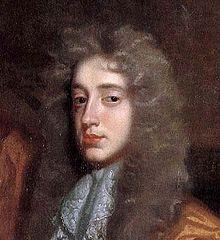
John Wilmot
John Wilmot, born on April 1, 1647, and died on July 26, 1680, was a renowned poet in 17th-century England. His poetry, known for its bold themes and unique style, is considered one of the most controversial figures in English literary history. more
You May Also Like
Source: The Debt to Pleasure: John Wilmot, Earl of Rochester, in the Eyes of His Contemporaries and in His Own Poetry and Prose
“You must pardon me, gentlemen, for being a most unconscionable time a-dying.”
“I saw my Lord with the Eye of my heart, and I said: "Who are you?" He answered: "You!"”