“Our whole system of banks is a violation of every honest principle of banks. There is no honest bank but a bank of deposit. A bank that issues paper at interest is a pickpocket or a robber. But the delusion will have its course. ... An aristocracy is growing out of them that will be as fatal as the feudal barons if unchecked in time.”
Quote by John Adams
Work
Old Family Letters: Copied from the Originals for Alexander Biddle... Series A-[B]
This book is a compilation of letters that have been meticulously copied from their original sources, intended for Alexander Biddle. The letters provide a glimpse into personal correspondence, offering a window into the lives and relationships of the individuals involved during the time the letters were written. more
Author
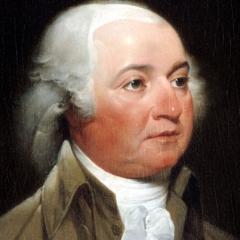
John Adams
John Adams, the second President of the United States, was a statesman, diplomat, and writer. Born on October 30, 1735, and died on July 4, 1826, Adams played a significant role in the American Revolutionary War. He was one of the drafters of the Declaration of Independence and served as the President from 1789 to 1797. more
You May Also Like
Source: The Works of John Adams Vol. 4: Novanglus, Thoughts on Government, Defence of the Constitution I
Source: The Works of Francis Bacon, Lord Chancellor of England: With a Life of the Author
Source: Blood Meridian: Picador Classic
“What, then, remains but that we still should cry, For being born, and, being born, to die?”