“My main professional interest during the 1970s has been in the dramatic change of concepts and ideas that has occurred in physics during the first three decades of the century, and that is still being elaborated in our current theories of matter. The new concepts in physics have brought about a profound change in our world view; from the mechanistic conception of Descartes and Newton to a holistic and ecological view, a view which I have found to be similar to the views of mystics of all ages and traditions.”
Quote by Fritjof Capra
Author
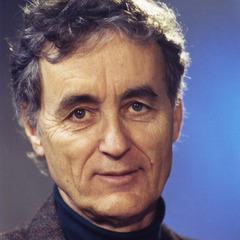
Fritjof Capra
Fritjof Capra (born February 1, 1939) is an Austrian-born American physicist, systems theorist, and ecological thinker. He is best known for his 1975 book 'The Tao of Physics', which explores parallels between modern physics and Eastern mysticism. Capra advocates for deep ecology and systems thinking, integrating science, society, and ecology. His works, including 'The Turning Point' and 'The Web of Life', have influenced global environmental movements and interdisciplinary studies. He co-founded the Center for Ecoliteracy in Berkeley, California, promoting sustainable education. Capra's ideas have sparked both acclaim and criticism, but he remains a key figure in paradigm shift discourse. more
You May Also Like
Source: Uncommon Wisdom: Conversations with Remarkable People
Source: The Systems View of Life: A Unifying Vision
Source: The Systems View of Life: A Unifying Vision
Source: The Web of Life: A New Scientific Understanding of Living Systems
“If heaven send no supplies, The fairest blossom of the garden dies.”
Source: Nicholas Breton: Pastoral Poems; George Wither: Selected Poetry; William Browne (of Tavistock): Pastoral Poetry