Quotessence
Home / Quotes / Quote by Ralph Waldo Emerson

Quote by Ralph Waldo Emerson

Work

Culture, Behavior, Beauty

This book delves into the multifaceted relationship between cultural norms, individual actions, and the appreciation of beauty. It examines how cultural contexts shape behavior and aesthetic judgments, offering insights into the diverse ways in which societies perceive and express beauty. more

Author
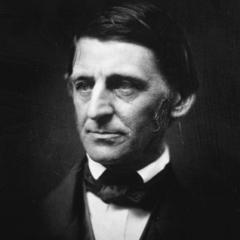
Ralph Waldo Emerson
Ralph Waldo Emerson

American essayist, poet, and philosopher. Born on May 25, 1803, and died on April 27, 1882. Known for his transcendentalist philosophy, his works have had a profound impact on literature and the intellectual world. more

You May Also Like

“Production and consumption are the nipples of modern society. Thus suckled, humanity grows in strength and beauty; rising standard of living, all modern conveniences, distractions of all kinds, culture for all, the comfort of your dreams.”

“There are various orders of beauty, causing men to make fools of themselves in various styles, from the desperate to the sheepish; but there is one order of beauty which seems made to turn the heads not only of men, but of all intelligent mammals, even of women. It is a beauty like that of kittens, or very small downy ducks making gentle rippling noises with their soft bills, or babies just beginning to toddle and to engage in conscious mischief — a beauty with which you can never be angry, but that you feel ready to crush for inability to comprehend the state of mind into which it throws you.”

“I despair of the Republic! Such dreariness, such whining sallow women, such utter absence of the amenities, such crass food, crass manners, crass landscape!! What a horror it is for a whole nation to be developing without the sense of beauty, and eating bananas for breakfast.”

“Industrial societies turn their citizens into image-junkies; it is the most irresistible form of mental pollution. Poignant longings for beauty, for an end to probing below the surface, for a redemption and celebration of the body of the world. Ultimately, having an experience becomes identical with taking a photograph of it.”

“The poetical impression of any object is that uneasy, exquisite sense of beauty or power that cannot be contained within itself; that is impatient of all limit; that (as flame bends to flame) strives to link itself to some other image of kindred beauty or grandeur; to enshrine itself, as it were, in the highest forms of fancy, and to relieve the aching sense of pleasure by expressing it in the boldest manner.”