Quotessence
Home / Quotes / Quote by David C. Driskell

Quote by David C. Driskell

“Even when I became cognizant of this societal problem in this country, I asked my father and my mother if they knew anything that had been passed on to them, about slavery, and my father was very reticent about it. He often said, "No, I don't know anything about it, and it was bad, it was awful and it's over and we want to get on with our lives."”

Quote by David C. Driskell

Author
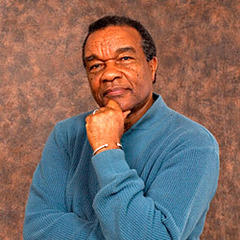
David C. Driskell
David C. Driskell

David C. Driskell is an American artist renowned for his contributions to the field of African American art. His works, which blend painting, sculpture, and printmaking, explore themes of race, history, and cultural identity. more

You May Also Like

“In 1951 I took my first art course. And one day I looked over my shoulder and there was this tall gentleman standing, very well-dressed and groomed, and he asked, "What is your name? I don't know you. What is your major?" I said history. And he looked at my drawing and looked at me and said, "You don't belong over there; you belong here." He was James A. Porter.”

“There was a young man in our community who said he wanted to be a minister, and my father was trying to mentor him in the ministry, and something supposedly happened in town.And this young man was jailed. I remember my father lamenting and saying, well, regardless of what happened, he's human; he's human like the rest of us and he deserves, to be heard and to be seen.”

“I grew up with a sense of tolerance. I don't know that there was any talk about gender differences. It was respect for people. So when I became a professional and saw that there were a lot of differences in the sense of how people lived their lives, I became respectful of their territory, of their thoughts and their ideas, and it was never a problem for me to feel that this is my sister, this is my brother.”

“I hadn't had any course work in ceramics. I had no courses in art education but I wasn't going to let this chance to have a job pass me by. I went out and learned and I stayed one step ahead of the students by reading and I got to be pretty proficient at throwing on the wheel and making my own glazes, ordering the chemicals and having the students go out and dig and process their clay, and doing things that they weren't teaching at Howard University. So Talladega College opened up my whole sensibility about experimental teaching.”