“In reviewing the history of the times through which we have passed, no portion of it gives greater satisfaction or reflection, than that which represents the efforts of the friends of religious freedom and the success with which they are crowned.”
Quote by Thomas Jefferson
Work
The writings of Thomas Jefferson
This extensive compilation includes Jefferson's correspondence, his influential essays on topics such as democracy and individual rights, and his personal reflections on the founding of the United States. The writings provide insight into Jefferson's role in shaping American history and his contributions to the nation's political discourse. more
Author
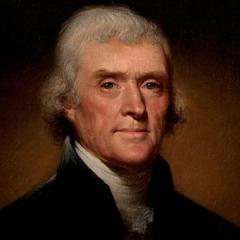
Thomas Jefferson
Thomas Jefferson was the third President of the United States, a distinguished politician, philosopher, architect, and scientist. He was born on April 13, 1743, and died on July 4, 1826. Jefferson advocated for democracy and freedom in politics and was one of the main authors of the Declaration of Independence. His political ideas had a profound impact on the founding and development of the United States. more
You May Also Like
Source: The Writings of Thomas Jefferson: Correspondence. Reports and opinions while secretary of state
Source: The portable Thomas Jefferson
Source: The Papers of Thomas Jefferson, Retirement Series, Volume 8: 1 October 1814 to 31 August 1815: 1 October 1814 to 31 August 1815
Source: The writings of Thomas Jefferson
Source: Memoir, Correspondence, and Miscellanies, from the Papers of Thomas Jefferson
Source: The Papers of Thomas Jefferson, Retirement Series, Volume 7: 28 November 1813 to 30 September 1814
“Nothing but free argument, raillery and even ridicule will preserve the purity of religion.”
Source: The Commonplace Book of Thomas Jefferson: A Repertory of His Ideas on Government, with an Introduction and Notes by Gilbert Chinard
Source: The writings of Thomas Jefferson
“I think risk-taking is a great adventure. And life should be full of adventures.”