“In the end, the fate of children depends on our ability to use technology constructively and carefully. The connection of childrenand technology is not simply a matter of seat belts, safe toys, safe air, water and food, additive-free baby foods, or improved television programming. These are all important issues, but to stop here is to forget that today's children will soon be adults. Technological decisions made today will determine, perhaps irrevocably, the kind of physical and social world we bequeath them and the kind of people they become.”
Quote by Kenneth Keniston
Work
All Our Children: The American Family Under Pressure
This book delves into the various pressures affecting American families, examining the social, economic, and psychological factors that shape family dynamics and the broader American family unit. more
Author
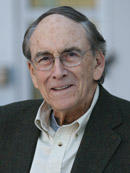
Kenneth Keniston
Kenneth Keniston, born on January 6, 1930, is an individual whose profession and category are unknown. His life story and contributions are not well-documented, and further research is needed to understand his background and achievements. more
You May Also Like
Source: All Our Children: The American Family Under Pressure
“[I support] term limits for career politicians and the death penalty for career politicians.”
“Don't talk to the people until you've listened to the people.”
“It's hard to be the first. It's almost as if I'm subject to a different level of inspection.”
“If I lose, I'm going to retire from politics, practice law, and wear bright leather pants.”