Quotessence
Home / Quotes / Quote by Robert Louis Stevenson

Quote by Robert Louis Stevenson

Work

Treasure Island

Robert Louis Stevenson's Treasure Island is a thrilling tale of pirate adventures and treasure hunts, narrated by Jim Hawkins, a young cabin boy who embarks on a perilous journey with a group of pirates in search of the legendary treasure of Captain Flint. The story is filled with suspense, danger, and moral dilemmas, as Jim navigates the treacherous waters and treacherous characters of the high seas. more
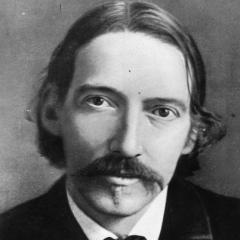
Author

Robert Louis Stevenson

Robert Louis Stevenson was a 19th-century Scottish novelist, poet, travel writer, and essayist. His works are characterized by adventure and romance, with his most famous novels being 'Treasure Island' and 'The Adventure of the Treasure Island'. Stevenson's works have been beloved by readers and have had a profound impact on literature. more

You May Also Like

“Like the usurpers in the Italian Renaissance, they seek to gloss over the illegitimacy of their rô1e by offering tangible advantages and making a fine show; that explains their economic liberalism and their patronage of the arts. They employ art not merely as a means to fame and a propaganda instrument but also as an opiate to soothe the opposition. The fact that their art policy is often accompanied by a true love and understanding of art does not affect its social basis. The courts of the Tyrants are the most important cultural centres of the age and its greatest repositories of artistic production [...] Yet in spite of this activity at the courts, the art of the age of the Tyrants is not entirely a product of the court; the rationalistic and individualistic spirit of the age hindered the development of that solemn pageantry and those conventional forms which are characteristic of a court style. The only features in this art that we can ascribe to the court are its joy in the senses, its refined intellectuality, and its somewhat artificial elegance of expression—all features to be found in the older Ionian tradition but developed to a still higher degree at the courts of the Tyrants.”

“Reform or no reform, he never ceased to promote the interests of St. Denis and the Royal House of France with the same naive, and in his case not entirely unjustified, conviction of their identity with those of the nation and with the Will of God as a modern oil or steel magnate may promote legislation favorable to his company and to his bank as something beneficial to the welfare of this country and to the progress of mankind.”