Quotessence
Home / Quotes / Quote by Virginia Woolf

Quote by Virginia Woolf

Work

Orlando

Orlando is a novel by Virginia Woolf that tells the story of a young nobleman who, after a mysterious transformation, lives as a woman for several centuries. The narrative spans from the Elizabethan era to the early 20th century, blending biography, fantasy, and satire. The book examines the fluidity of gender, the nature of artistic creation, and the passage of time, all while maintaining a playful and lyrical tone. It is considered a key work in modernist literature and a pioneering exploration of gender identity. more
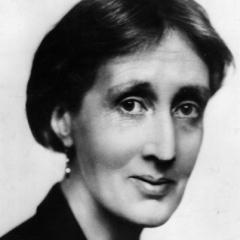
Author

Virginia Woolf
Virginia Woolf

British modernist writer, known for her unique narrative techniques and profound portrayal of female experience. Her works include 'To the Lighthouse' and 'Mrs. Dalloway'. more

You May Also Like

“Reform or no reform, he never ceased to promote the interests of St. Denis and the Royal House of France with the same naive, and in his case not entirely unjustified, conviction of their identity with those of the nation and with the Will of God as a modern oil or steel magnate may promote legislation favorable to his company and to his bank as something beneficial to the welfare of this country and to the progress of mankind.”

“Scottish film culture - or, more accurately, its discrete sections - has been highly politicised in the past. The problem has been the nature of the politics in question. Take Scottish filmmaking as example. On one hand, Scottish film workers have presented a picture of individualist effort which would gladden the heart of Margaret Thatcher and which, theoretically at any rate, should have produced a great variety of films of very diverse aesthetic and, therefore, political tendencies. On the other, however, these same film workers were forced to compete with each other for limited funds disbursed by a few key Scottish institutions of patronage, the powerful voices of which, historically, have been extremely reactionary. Small wonder, then, that Scottish films critical of established aesthetic forms, cultural atitudes and political arrangements have been the exception rather than the rule.”