Quotessence
Home / Quotes / Quote by Nipsey Hussle

Quote by Nipsey Hussle

Author

Nipsey Hussle
Nipsey Hussle

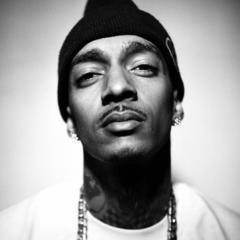
Nipsey Hussle, born Ermias Asghedom, was an American rapper, music producer, and entrepreneur. Born on August 15, 1985, he was known for his unique musical style and community influence. Hussle achieved significant success in both the music and business sectors, with his work deeply appreciated by fans. more

You May Also Like

“Ambition! A simple word, yet so many multi-prognostics! At the outset, it arouses an array of positive emotions; zeal, success, energy, rise, achievement, forward, bright, shining, higher, respect etc. But there is another side too; defeat, listless, failure, slump, disgrace…and such.”

“The Picard principle is the adage that “It is possible to commit no mistakes and still lose. That is not a weakness; that is life.” This principle denotes that even if you follow the best course of action available to you, you can sometimes still end up with a negative outcome, such as failure to achieve your goals. For instance you can submit a strong application for a job, and get rejected because the person who assessed the application already had a preferred candidate in mind. This principle helps you assess situations more rationally and cope with negative emotions, for instance when you would otherwise criticize yourself too harshly for a failure that wasn’t your fault. The risks of this principle are that it can lead you to avoid taking responsibility in cases where you should, and that it can cause feelings of frustration and helplessness.”

“Failure is an inevitable part of the human experience. It's how we respond to failure that ultimately defines us. In the face of failure, it takes everything to stay resilient, to pick ourselves up and try again, even when the odds are stacked against us. It requires perseverance & a refusal to be defined by our mistakes. It demands that we embrace failure as an opportunity for growth, learning, and self-improvement, rather than as a reflection of our worth or abilities. For it is through our failures that we learn the most profound lessons about ourselves and our capacity for greatness.”

“Coleridge was one of those unhappy persons-Donne, I suspect, was such another-of whom one might say, that if they had not been poets, they might have made something of their lives, might even have had a career; or conversely, that if they had not been interested in so many things, crossed by such diverse passions, they might have been great poets. It was better for Coleridge, as poet, to read books of travel and exploration than to read books of metaphysics and political economy. He did genuinely want to read books of metaphysics and political economy, for he had a certain talent for such subjects. But for a few years he had been visited by the Muse (I know of no poet to whom this hackneyed metaphor is better applicable) and thenceforth was a haunted man; for anyone who has ever been visited by the Muse is thenceforth haunted. He had no vocation for the religious life, for there again somebody like a Muse, or a much higher being, is to be invoked, he was condemned to know that the little poetry he had written was worth more than all he could do with the rest of his life. The author of Biographia Litteraria was already a ruined man. Sometimes, however, to be a 'ruined man' is Itself a vocation.”