Quotessence
Home / Quotes / Quote by Tove Jansson

Quote by Tove Jansson

“Where's your home, then?" asked the Snork Maiden. "Nowhere" said Snufkin a little sadly, "or everywhere. It depends on how you look at it." "Haven't you got a mother?" asked Moomintroll, looking very sorry for him. "I don't know," said Snufkin. "They tell me I was found in a basket." "Like Moses," said Sniff. "I like the story about Moses," said the Snork. "But I think his mother could have found a better way of saving him, don't you? The crocodiles might have eaten him up." "They nearly ate us up," said Sniff.”

Quote by Tove Jansson

Work

Comet in Moominland

Browse quotes and source details for this work. more

Author

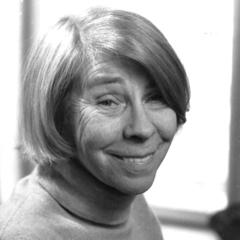
Tove Jansson
Tove Jansson

Tove Jansson, born on August 9, 1914, and died on June 27, 2001, was a renowned Finnish novelist. Her works are known for their unique style and profound emotions, which have won the hearts of readers worldwide. more

You May Also Like

“They caught up with each other's news casually, leaving long, cosy gaps of silence in which to go to work on their muffins and coffees. Jerome - after two months of having to be witty and brilliant in a strange town among strangers - appreciated the gift of it. People talk about the happy quiet that can exist between two lovers, but this too was great; sitting between his sister and his brother, saying nothing, eating. ~ on the comforts of home.”

“I have always found it difficult not to be moved by Jerusalem, even when I hated it—and God knows I have hated it for the sheer human cost of it. But the sight of it, from afar or inside the labyrinth of its walls, softens me. Every inch of it holds the confidence of ancient civilizations, their deaths and their birthmarks pressed deep into the city's viscera and onto the rubble of its edges. The deified and the condemned have set their footprints in its sand. It has been conqured, razed and, rebuilt so many times that its stones seem to possess life, bestowed by the audit trail of prayer and blood. Yet somehow, it exhales humility. It sparks an inherent sense of familiary in me—that doubtless, irrefutable Palestinian certainty that I belong to this land. It possesses me, no matter who conquers it, because its soil is the keeper of my roots, of the bones of my ancestors. Because it knows the private lust that flamed the beds of all my foremothers. Because I am the natural seed of its passionate, tempestuous past. I am a daughter of the land, and Jerusalem reassures me of this inalienable right, far more than the yellowed property deeds, the Ottoman land registries, the iron keys to our stolen homes, or UN resolutions and decrees of superpowers could ever do.”