“For many artists the universe is expanding; for some it is contracting.”
Quote by Robert Smithson
Work
Robert Smithson, the Collected Writings
This volume gathers the major writings of Robert Smithson, a pioneering figure in the land art movement of the 1960s and 1970s. The collection presents his essays, such as 'The Sedimentation of the Mind: Earth Projects,' along with interviews, proposals, and critical reflections that articulate his conceptual approach to sculpture, site-specificity, and the relationship between art and the natural environment. Smithson's writings often engage with themes of entropy, time, and the industrial landscape, offering a theoretical foundation for his earthworks like the Spiral Jetty. The book serves as a primary source for understanding his artistic philosophy and his influence on contemporary art discourse. more
Author
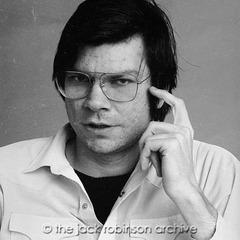
Robert Smithson
Robert Smithson was an American artist known for his land art works. His practice often involved large-scale land transformations and interactions with the natural environment, with iconic pieces such as 'Spiral Jetty' and 'Land Art'. Smithson's art challenged the boundaries of traditional art media and sparked widespread discussions about the relationship between art, nature, and humanity. more
You May Also Like
Source: God at War: The Bible & Spiritual Conflict
Source: God at War: The Bible & Spiritual Conflict
“Diplomacy is the art of telling plain truths without giving offense.”
“Noise is an imposition on sanity, and we live in very noisy times.”
Source: DAYBREAK