“I will always welcome joyfully any opportunity that comes my way to be of service to you”
Quote by Vincent de Paul
Work
Correspondence, Conferences, Documents: Apr. 1650-July 1653
The book is a compilation of historical documents, including letters, discussions, and records from the specified time period. It provides a detailed look into the political, social, and cultural context of the era, offering readers a glimpse into the events and conversations that shaped the period. more
Author
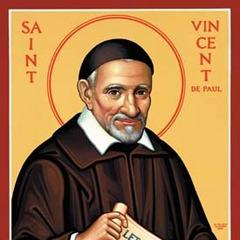
Vincent de Paul
St. Vincent de Paul, born on April 24, 1581, and died on September 27, 1660, was a renowned French priest, social reformer, and philanthropist. He is best known for his compassion and care for the poor and vulnerable, having founded organizations dedicated to aiding the needy, most notably the Vincentian Congregation, which continues to provide assistance worldwide. more
You May Also Like
Source: Correspondence, Conferences, Documents: Apr. 1650-July 1653
Source: Correspondence, Conferences, Documents: Apr. 1650-July 1653
Source: Correspondence, Conferences, Documents
Source: My American Journey
Source: The Bernice L. McFadden Collection: Gathering of Waters, Glorious, The Warmest December, and Nowhere Is a Place
Source: The Trouble with Being Born
Source: The Complete Daughter of Smoke and Bone Trilogy