“Too much is a vanity; enough is a feast.”
Quote by Francis Quarles
Work
Enchiridion: Containing Institutions--divine: Contemplative, Practical; Moral: Ethical, Œconomical, Political
This book is a comprehensive exploration of various institutions, including those of a divine, contemplative, practical nature, as well as ethical, economic, and political aspects. It delves into the philosophical underpinnings and practical implications of these institutions, offering insights into their roles and significance in society. more
Author
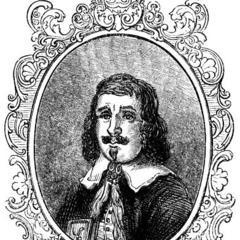
Francis Quarles
Francis Quarles, a renowned English poet, was born on May 8, 1592, and died on September 8, 1644. His poetry focused on religious and moral themes, deeply influenced by Puritan thought. more
You May Also Like
Source: Enchiridion Institutions, Essays and Maxims, political, moral & divine. Divided into four centuries. By Francis Quarles
Source: Enchiridion Institutions, Essays and Maxims, political, moral & divine. Divided into four centuries. By Francis Quarles
Source: Enchiridion Institutions, Essays and Maxims, political, moral & divine. Divided into four centuries. By Francis Quarles
Source: Enchiridion Institutions, Essays and Maxims, political, moral & divine. Divided into four centuries. By Francis Quarles
“I'll ne'er distrust my God for cloth and bread while lilies flourish and the raven 's fed.”