“In the taxi I let my hand lie on her leg like a promise, but I had no intention of keeping my promise.”
Quote by Graham Greene
Work
The End of the Affair
Set in London during and after World War II, the story is narrated by Maurice Bendrix, a writer who recounts his intense and obsessive affair with Sarah Miles, the wife of a civil servant. The relationship ends abruptly, and years later, Bendrix's chance encounter with Sarah's husband reopens old wounds, leading him to investigate the reasons behind the affair's conclusion. The narrative delves into themes of obsession, betrayal, and the search for meaning, ultimately examining how love can transform into a struggle with faith and the divine. more
Author
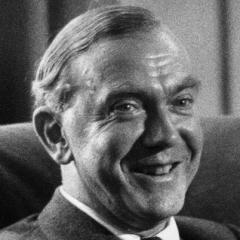
Graham Greene
Graham Greene was a renowned British writer born on October 2, 1904. His works are characterized by deep insight and unique narrative techniques, and he is hailed as one of the greatest novelists of the 20th century. Greene's writing spans a variety of themes, including spy novels, religious novels, and noir novels. more
You May Also Like
Source: The End of the Affair
Source: The End of the Affair
Source: The Mark of the Beast
Source: Stories: Collected Stories
“When you reduce a woman to writing, she makes you think of a thousand other women”
Source: Early Writings