“Everything in the universe has a purpose. Indeed, the invisible intelligence that flows through everything in a purposeful fashion is also flowing through you.”
Quote by Wayne Dyer
Work
Real Magic: Creating Miracles in Everyday Life
This work explores the concept of integrating moments of wonder, inspiration, and seemingly impossible occurrences into one's everyday existence. The premise suggests thatmagic is not merely the stuff of fantasy or stage performance but rather a natural element that can be invited into daily life through intention, awareness, and shifts in perception. The book invites readers to consider that miracles need not be grand supernatural events but can manifest as meaningful coincidences, unexpected opportunities, profound moments of connection, or breakthroughs in personal challenges. Through this perspective, readers are encouraged to recognize and appreciate the mysterious and wondrous aspects of existence that often go unnoticed in the busyness of contemporary life. more
Author
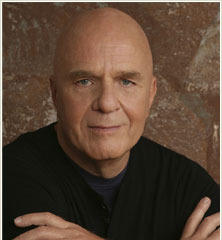
Wayne Dyer
Wayne Dyer, born on May 10, 1940, was an influential American author, speaker, and thinker in the field of self-improvement. His works covered a wide range of topics including personal growth, spiritual living, and mental health, which have been highly appreciated by readers. Dyer's inspiring speeches and books have helped countless people find the meaning of life and inner peace. more