“We can either passively continue on the road to utter domestication and destruction or turn in the direction of joyful upheaval, passionate and feral embrace of wildness and life that aims at dancing on the ruins of clocks, computers and that failure of imagination and will called work. Can we justify our lives by anything less than such a politics of rage and dreams?”
Quote by John Zerzan
Work
Future Primitive Revisited
This book delves into the implications of technological advancements and societal changes, offering a speculative look at the potential trajectory of human civilization. more
Author
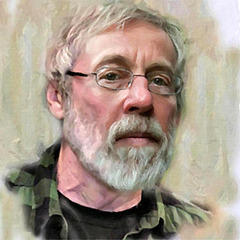
John Zerzan
John Zerzan is an American philosopher known for his critical views on industrial society and modernity. His ideas are deeply influenced by anarchism and ecology, advocating for a return to nature and primitive lifestyles. Zerzan's works explore technology, consumerism, and human exploitation of nature. more
You May Also Like
Source: State Socialism and Anarchism and Other Essays
Source: Anarchism: A Collection of Revolutionary Writings
Source: Anarchism: Top Crime Collections
Source: A Blow at Trial by Jury: An Examination of the Special Jury Law Passed by the New York Legislature in 1896
Source: Selected essays
Source: Anarchism and Other Essays