“Civil Society is a cluster of institutions and associations strong enough to prevent tyranny, but which are, none the less, entered and left freely, rather than imposed by birth or sustained by awesome ritual. You can join the Labour Party without slaughtering a sheep.”
Quote by Ernest Gellner
Work
Conditions of liberty: civil society and its rivals
Written by the philosopher and social anthropologist Ernest Gellner, this work investigates the historical and ideological foundations of civil society. It explores how modern liberal democracies emerged and explains why a self-regulating, pluralistic society remains a relatively rare historical phenomenon. The text contrasts the unique characteristics of Western civil society, which relies on a balance of independent institutions, market economies, and individual freedoms, with various rival systems. These rivals include absolutist states, collectivist ideologies, and segmentary communities. Through comparative analysis, the book provides a theoretical framework for understanding the structural prerequisites and cultural conditions required to establish and maintain a free society. more
Author
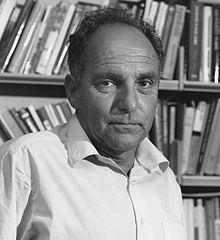
Ernest Gellner
Ernest Gellner was a distinguished philosopher known for his contributions to social theory and the philosophy of culture. Born on December 9, 1925, in Vienna, Austria, he passed away on November 5, 1995. Gellner's philosophical insights focused on the analysis of modernity, nationalism, and the structure of societies. more
You May Also Like
Source: The Mediterranean and the Mediterranean World in the Age of Philip II
Source: An essay on the slavery
Source: Thomas Clarkson and Ottobah Cugoano: Essays on the Slavery and Commerce of the Human Species
Source: Thomas Clarkson and Ottobah Cugoano: Essays on the Slavery and Commerce of the Human Species
Source: Thomas Clarkson and Ottobah Cugoano: Essays on the Slavery and Commerce of the Human Species
“When there’s only God to blame, we forgive him. When it’s our fellow man, we destroy him.”
Source: Shift: (Wool Trilogy 2)