“Anarchy, the absence of a master, of a sovereign.”
Quote by Pierre-Joseph Proudhon
Work
Property is Theft!: A Pierre-Joseph Proudhon Anthology
Property is Theft! is a collection of essays and treatises by the French philosopher Pierre-Joseph Proudhon. The book delves into Proudhon's ideas on property, labor, and the social order, offering a comprehensive look at his political philosophy. It includes seminal works such as 'What is Property?' and 'The Philosophy of Poverty', showcasing Proudhon's unique perspective on economic and social issues. more
Author
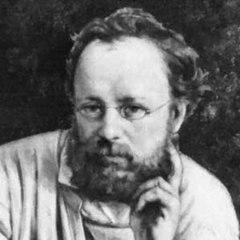
Pierre-Joseph Proudhon
Pierre-Joseph Proudhon (1809-1865) was a French political philosopher, writer, and considered the father of modern anarchism. In 1840, he published "What is Property?" where he famously declared "property is theft," which profoundly influenced socialist and anarchist thought. Proudhon advocated mutualism, opposed capitalist exploitation and state authority, and significantly influenced thinkers like Karl Marx and Mikhail Bakunin. His works including "The Philosophy of Poverty" remain important texts in political philosophy and social theory. more
You May Also Like
“ANARCHY, or the government of each man by himself or as the English say, self -government.”
Source: What is Property?
Source: What is Property?
Source: System of Economical Contradictions: Or, The Philosophy of Misery
Source: Narrative of the life of Frederick Douglass, an American slave, written by himself
Source: Frederick Douglass: Selected Speeches and Writings
“In all the relations of life and death, we are met by the color line.”
Source: The Life and Times of Frederick Douglass