Quotessence
Home / Quotes / Quote by Genghis Khan

Quote by Genghis Khan

“If one must drink, then let one drink thrice a month, for more is bad. If one gets drunk twice a month, it is better; if one gets drunk once a month, that is better still; and if one doesn't drink at all, that is the best of all.”

Quote by Genghis Khan

Author
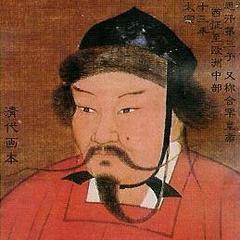
Genghis Khan
Genghis Khan

Genghis Khan, born on May 31, 1162, and died on August 18, 1227, was the Khan of the Mongol Empire. He is known as one of the greatest conquerors in world history. Genghis Khan unified the Mongolian tribes and established the vast Mongol Empire. He is renowned for his military prowess and expansionist policies, which had a profound impact on the world. more

You May Also Like

“When virtue is pictured as innocence and innocence equated with childlikeness, the implication is obviously that knowledge and experience are no longer media of goodness, but have become in themselves contaminating. This is a very despairing outlook, in its way as black as Augustine's original sin, for it supposes that original goodness will in all likelihood be defiled...It surrenders the attempt to represent virtue in a mature phase.”

“America's Christian conservative movement is confronted with this divide: small-government advocates who want to practice their faith independent of heavy-handed government versus big-government sympathizers who want to impose their version of 'righteousness' on others through the hammer of law.... Our movement must avoid the temptations of power and those who would twist the good intentions of Christian voters to support policies that undermine freedom and grow government.”

“Art that means anything in the life of a community must bear some relation to current interpretations of the mystery of the universe. Our rigid separation of the humanities and the sciences has temporarily left our art stranded or stammering and incoherent. Both art and science ought to be blended in our early education of our children's emotions and powers of observation, and that harmony carried forward in later education.”