Quotessence
Home / Quotes / Quote by Scott Schuman

Quote by Scott Schuman

“Everybody's version of style is totally different and that's what I think keeps me going out on the street everyday is going out and kind of seeing the variations and what things maybe I'd never seen quite that way that I find very curious and how people will be able to communicate their own persona through their clothing, their posture, the way they wear their hair. I think all those elements end up becoming very interesting because I don't think I'm really particularly a people person. So for me I think it's interesting to kind of be able to read people in that way.”

Quote by Scott Schuman

Author
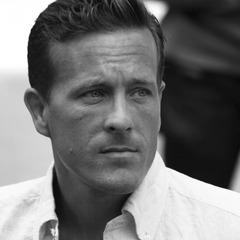
Scott Schuman
Scott Schuman

Scott Schuman, born on January 10, 1968, is a renowned fashion photographer. Known for his unique perspective and deep understanding of street culture, he has gained fame through his blog The Sartorialist, which showcases his distinctive insights into fashion. Schuman's work not only captures the latest trends in the fashion industry but also documents the personal style and fashion statements of ordinary people in everyday life. more

You May Also Like

“It doesn't matter if it's 90 degrees in the summer and it's killer hot in Milan. The guys still put on their jackets to leave their office to go get lunch and bring it back to the office. You never see that in America. Guys barely can put on their shirts to go to the office or keep their tie done, so I think there is a romance that they're willing to and enjoy that formality that they've created there in Milan and all across Italy, but especially in Milan.”

“Sadly, too many corporate leaders still believe that the way to boost productivity and profits is to continually reduce salaries, benefits, and training expenditures, a strategy that can be taken only so far. At a certain point in a developed society, salaries and benefits can't be slashed further and, in the long term, comparative economic advantage then must be realized through the effective mobilization of an educated, engaged, and loyal workforce.”

“I think in Japan I think there is a lot of style and a lot of subcultures, but it will be interesting to see how much of them... how much of the people wearing those clothes are really expressing something about who they are or who they want to be and it will be very interesting to see, especially once you get there, once you get to a certain city like in Stockholm you really get to know the people a little bit and what they're saying through their clothes. It's more... To me I think it's much more interesting than just the clothes they're wearing or the length of the skirt.”

“I don't at least for me I don't ever really look for trends. I'm looking for just what captures my attention at that time and rarely do I ever look back and try and put together trends or say this kind of trend is important. For me it's about the individual expression and if you go back and look through the archives you might find certain things become trends, but it's just not something that particularly interests me.”

“Ed Lawler and I document that the key to creating good, productive jobs in all industries is to organize work processes and systems in ways that allow employees to contribute significant amounts of "added value" to the products they make and services they provide. When mangers give employees the organizational structure, resources, and authority needed for them to contribute their ideas and efforts, American workers, like those at Harley-Davidson, almost always prove capable of effectively competing against their overseas counterparts.”

“If America is to compete effectively in world markets, its corporate leaders must strategically position their companies in the right businesses, and then manage their workforces in the right ways. However, the nation has a shortage of business leaders who understand the importance of utilizing human capital to gain competitive advantage, let alone the know-how to do so. In the future, that shortcoming promises to be exacerbated because few business schools today teach aspiring executives how to create the kind of high-involvement organizations.”