“There are horrors beyond life's edge that we do not suspect, and once in a while man's evil prying calls them just within our range.”
Quote by H. P. Lovecraft
Work
H. P. LOVECRAFT äóñ The Complete Fiction in One Volume: The Call of Cthulhu, The Case of Charles Dexter Ward, At the Mountains of Madness, The Shadow over Innsmouth, The Dunwich Horror and Many More: The Whisperer in Darkness, Beyond the Wall of Sleep, The Rats in the Walls, The Shunned House, The Shadow Out of Time, The Alchemist, The Dreams in the Witch House, The Silver Key, The Templeäó_
H. P. Lovecraft's collection encompasses a range of his most famous works, including 'The Call of Cthulhu' and 'The Shadow over Innsmouth,' which are considered classics of the horror genre. The stories delve into themes of cosmic horror, madness, and the insignificance of human existence in the face of the universe's vastness. This volume is a must-read for fans of Lovecraft's distinctive style and for those interested in the evolution of horror literature. more
Author
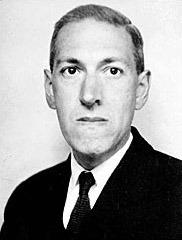
H. P. Lovecraft
H.P. Lovecraft was an American horror fiction writer known for his unique cosmic horror style and Gothic narrative. His works often explore the insignificance of humans in the face of the unknown and omnipotent forces, profoundly influencing horror literature in the second half of the 20th century. more
You May Also Like
Source: The Autobiography of Malcolm X
“Anyone got X-ray visión?I asked, trying to smile. Where is Superman when you need him?”
Source: Othello
“I love boxing. There's something fierce about using your body's force that way.”
Source: A Voice Crying in the Wilderness