“There is no wild beast so ferocious as Christians who differ concerning their faith.”
Quote by William Edward Hartpole Lecky
Work
History of the rise and influence of the spirit of rationalism in Europe
Comprehensive in scope, the book delves into the historical context of rationalism, its key figures, and its influence on various disciplines such as philosophy, science, and politics. It provides an in-depth analysis of the intellectual movements and debates that characterized the Enlightenment era, highlighting the contributions of rationalism to the advancement of human knowledge and societal progress. more
Author
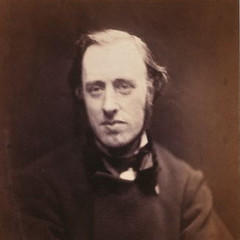
William Edward Hartpole Lecky
William Edward Hartpole Lecky was a British political figure and philosopher, known for his contributions to history and ethics, particularly in the fields of political thought history and moral philosophy. His works are extensive and cover European political thought from ancient Greece to the 19th century. more
You May Also Like
“Do you wish to make of your enemy a friend? Then become a friend to your enemy.”
Source: The History and Philosophy of Evil: With Suggestions for More Ennobling Institutions, and Philosophical Systems of Education
Source: The Works of Samuel Johnson, LL.: D., with an Essay on His Life and Genius
Source: Mortals and Others, Volume II: American Essays 1931-1935
Source: Power: A New Social Analysis
Source: An Essay on Liberation