“Man is man because he chanced to develop intelligence instead of instinct; otherwise he would to this day have remained among the anthropoid apes. He has turned away from nature, become unnatural, as it were, disliked the earth upon which he found himself, and changed the face of it somewhat to his liking.”
Quote by Jack London
Work
The Kempton-Wase Letters
This book presents a compilation of letters exchanged between two notable individuals, offering insight into their personal and professional relationships. more
Author
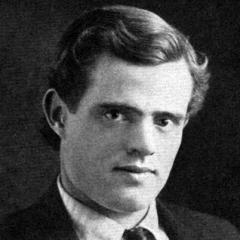
Jack London
Jack London was an American author known for his adventure novels and realistic works. His writings often depicted the lives of the underclass and his profound insights into the natural world. His notable works include 'The Call of the Wild' and 'White Fang'. more
You May Also Like
Source: Delphi Complete Works of Jack London (Illustrated)
Source: Jack London Six Pack
“The greatest of the arts is the conquering of men.”
Source: The Valley of the Moon: Classic American Literature
Source: Delphi Complete Works of Jack London (Illustrated)
Source: The Complete Novels of Jack London – 22 Adventure Classics in One Volume (Illustrated): The Call of the Wild, The Sea-Wolf, White Fang, The Iron Heel, Martin Eden, Burning Daylight, The Scarlet Plague, A Son of the Sun, The Valley of the Moon, The Star Rover, Hearts of Three…
“Some sorts of truth are truer than others.”
Source: John Barleycorn
“Love is the sum of all the arts, as it is the reason for their existence.”
Source: Delphi Complete Works of Jack London (Illustrated)
Source: Delphi Complete Works of Jack London (Illustrated)
Source: No Mentor But Myself: Jack London on Writers and Writing
Source: The Complete Novels of Jack London – 22 Adventure Classics in One Volume (Illustrated): The Call of the Wild, The Sea-Wolf, White Fang, The Iron Heel, Martin Eden, Burning Daylight, The Scarlet Plague, A Son of the Sun, The Valley of the Moon, The Star Rover, Hearts of Three…