“Hereafter we shall be compelled to acknowledge that the only distinction between species and well-marked varieties is, that the latter are known, or believed to be connected at the present day by intermediate gradations whereas species were formerly thus connected.”
Quote by Charles Darwin
Work
The Works of Charles Darwin, Volume 16: The Origin of Species, 1876
The book is a comprehensive treatise on the evolution of species, detailing Darwin's groundbreaking ideas on the process of natural selection and its role in the development of biodiversity. It is a cornerstone of modern evolutionary biology and has had a profound impact on the scientific understanding of life on Earth. more
Author
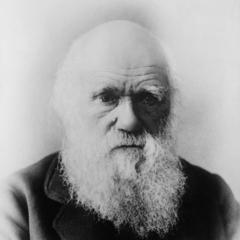
Charles Darwin
Charles Darwin, a British naturalist, is renowned as the founder of evolutionary biology. Born on February 12, 1809, in England, he passed away on April 19, 1882. Darwin is best known for his research on the theory of evolution, which proposed that species evolve through natural selection and survival of the fittest. more
You May Also Like
“I believe that natural history has lost much by the vague general treatment that is so common.”
Source: Wild Animals I Have Known
Source: Autobiography and Selected Letters
“Your inner-most dominant thoughts become your outer-most tangible reality.”