Quotessence
Home / Quotes / Quote by Thomas Merton

Quote by Thomas Merton

Work

The Way of Chuang Tzu

This book delves into the philosophical ideas of Chuang Tzu, a prominent figure in Taoist thought. It examines concepts such as spontaneity, naturalness, and the interconnectedness of all things. more

Author
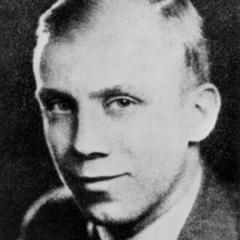
Thomas Merton
Thomas Merton

Thomas Merton (January 31, 1915 - December 10, 1968) was an American writer, poet, social critic, and mystic. His works covered a wide range of topics including philosophy, religion, and social justice, and were highly appreciated by readers. more

You May Also Like

“Prayer, fasting, vigils, and all other Christian practices, however good they may be in themselves, certainly do not constitute the aim of our Christian life: they are but the indispensable means of attaining that aim. For the true aim of the Christian life is the acquisition of the Holy Spirit of God. As for fasts, vigils, prayer and almsgiving, and other good works done in the name of Christ, they are only the means of acquiring the Holy Spirit of God. Note well that it is only good works done in the name of Christ that bring us the fruits of the Spirit.”

“And increasingly - you know this and so do I we're losing the youth everywhere. They hate us; they are not interested in having more fears and guilt laid on them. They're not interested in more sermons and exhortations. But they are interested in learning about love. How can I be happy? How can I live? How can I taste the marvelous things that the mystics speak of?”

“At the center of our being is a point of nothingness which is untouched by illusion, a point of pure truth, a point or spark which belongs entirely to God, which is never at our disposal, from which God disposes of our life, which is inaccessable to the fantasies of our own mind or the brutalities of our own will. This little point of nothingness and of absolute poverty is the pure glory of God in us.”

“Our nature is to worship, but unless that element is directed towards God it becomes "a senseless impersonal force, carrying us away in its momentum. It becomes a search for ecstasy - no matter what kind achieved through destruction...The worshipful integraton of nature in the person is inverted in a hellish imprisonment of the individual in nature."”