“That which comes after ever conforms to that which has gone before.”
Quote by Marcus Aurelius
Author
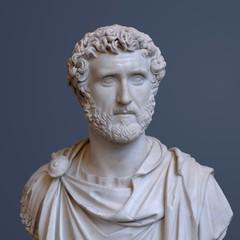
Marcus Aurelius
Marcus Aurelius, born in 121 AD and died in 180 AD, was an emperor of the Roman Empire. He is one of the Five Good Emperors and is known for his philosophical thoughts and the stability of his reign. He was not only an outstanding politician but also a famous Stoic philosopher, whose work 'Meditations' has had a profound impact on later generations. more
You May Also Like
“To a rational being it is the same thing to act according to nature and according to reason.”
Source: Stoic Six Pack: Meditations of Marcus Aurelius The Golden Sayings Fragments and Discourses of Epictetus Letters from a Stoic and The Enchiridion
Source: Stoic Six Pack: Meditations of Marcus Aurelius The Golden Sayings Fragments and Discourses of Epictetus Letters from a Stoic and The Enchiridion
Source: Stoic Six Pack: Meditations of Marcus Aurelius The Golden Sayings Fragments and Discourses of Epictetus Letters from a Stoic and The Enchiridion
Source: Stoic Six Pack: Meditations of Marcus Aurelius, Golden Sayings, Fragments and Discourses of Epictetus, Letters from a Stoic and The Enchiridion
Source: Stoic Six Pack: Meditations of Marcus Aurelius, Golden Sayings, Fragments and Discourses of Epictetus, Letters from a Stoic and The Enchiridion
Source: The Meditations of Marcus Aurelius
Source: Stoic Six Pack: Meditations of Marcus Aurelius, Golden Sayings, Fragments and Discourses of Epictetus, Letters from a Stoic and The Enchiridion
Source: The Meditations of Marcus Aurelius