“The enjoyment of the choicest natural scenes in the country and the means of recreation connected with them is thus a monopoly, in a very peculiar manner, of a very few very rich people. The great mass of society, including those to whom it would be of the greatest benefit, is excluded from it. In the nature of the case private parks can never be used by the mass of the people in any country nor by any considerable number even of the rich, except by the favor of a few, and in dependence on them.”
Quote by Frederick Law Olmsted
Work
Frederick Law Olmsted: Writings on Landscape, Culture, and Society
The book includes essays, letters, and speeches by Olmsted, highlighting his influential contributions to the fields of landscape architecture, urban planning, and environmental thought. more
Author
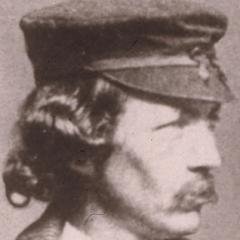
Frederick Law Olmsted
Frederick Law Olmsted was a renowned American landscape architect, often referred to as the 'Father of Modern Landscape Architecture'. Born on April 26, 1822, and died on August 28, 1903, Olmsted is best known for his innovative ideas in park and urban design. His most famous works include Central Park in New York and Brooklyn Bridge Park. more
You May Also Like
“One of the toughest battles in intelligence is combating conventional wisdom.”
Source: An American Dilemma, Volume 2: The Negro Problem and Modern Democracy